
11TH INTERNATIONAL CONGRESS OF ASIATOX 2026
Kuala Lumpur , Malaysia. August 3-6 2026
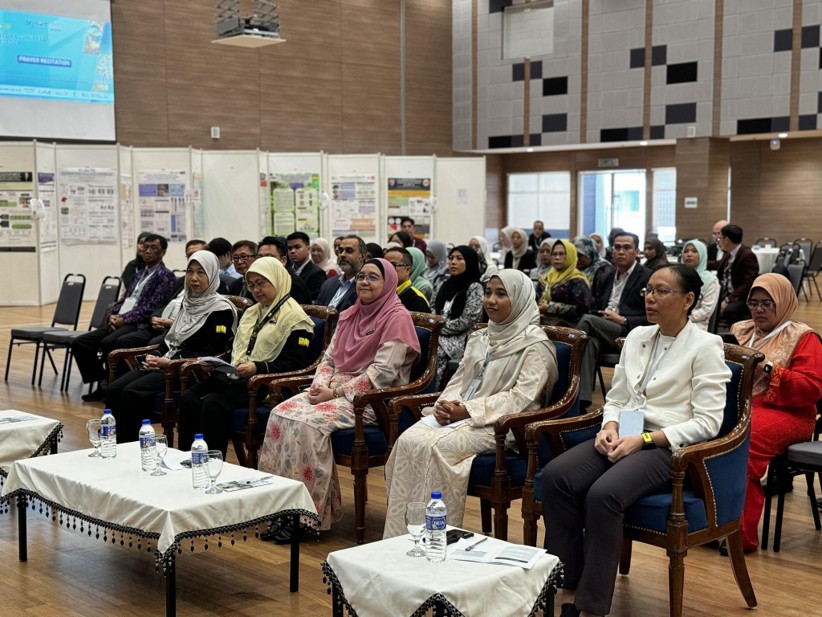
ASIATOX‑XI 2026 Best Moments
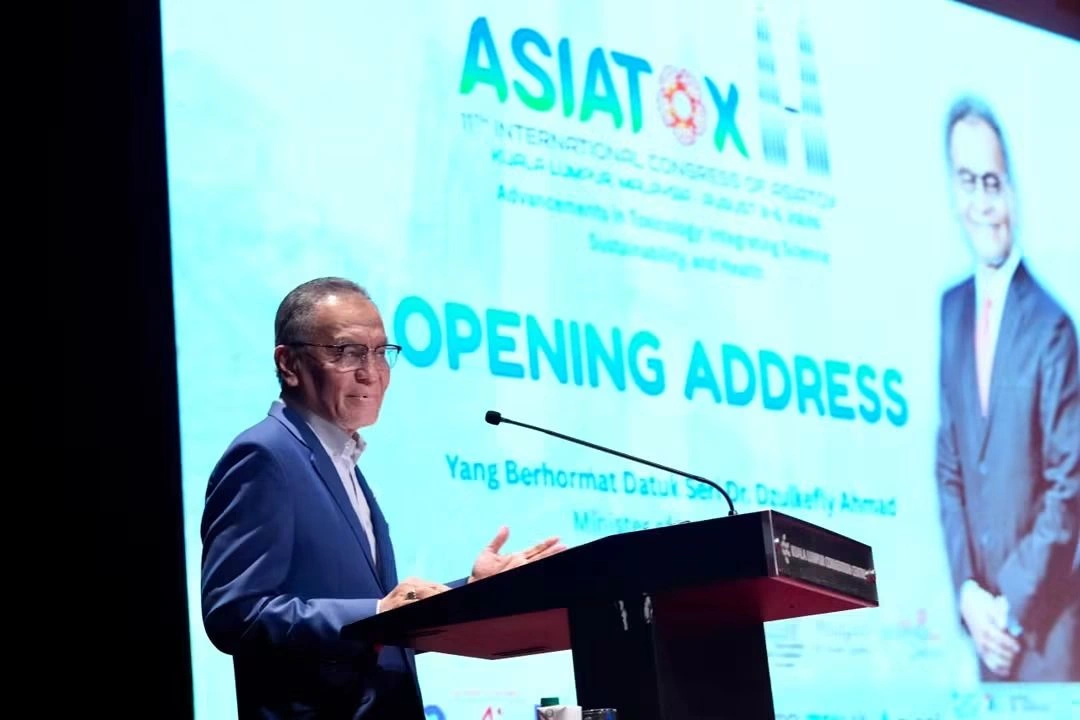
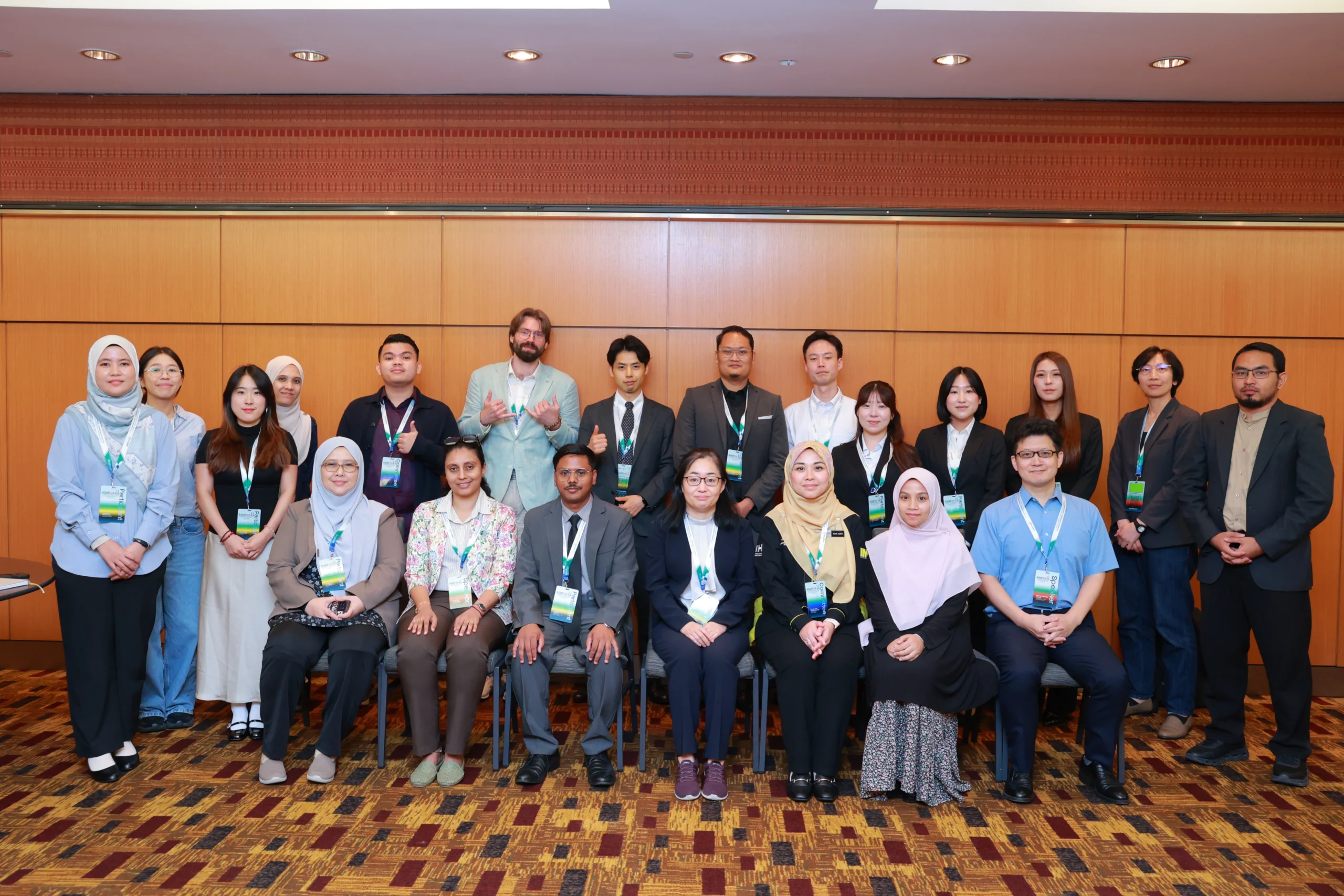
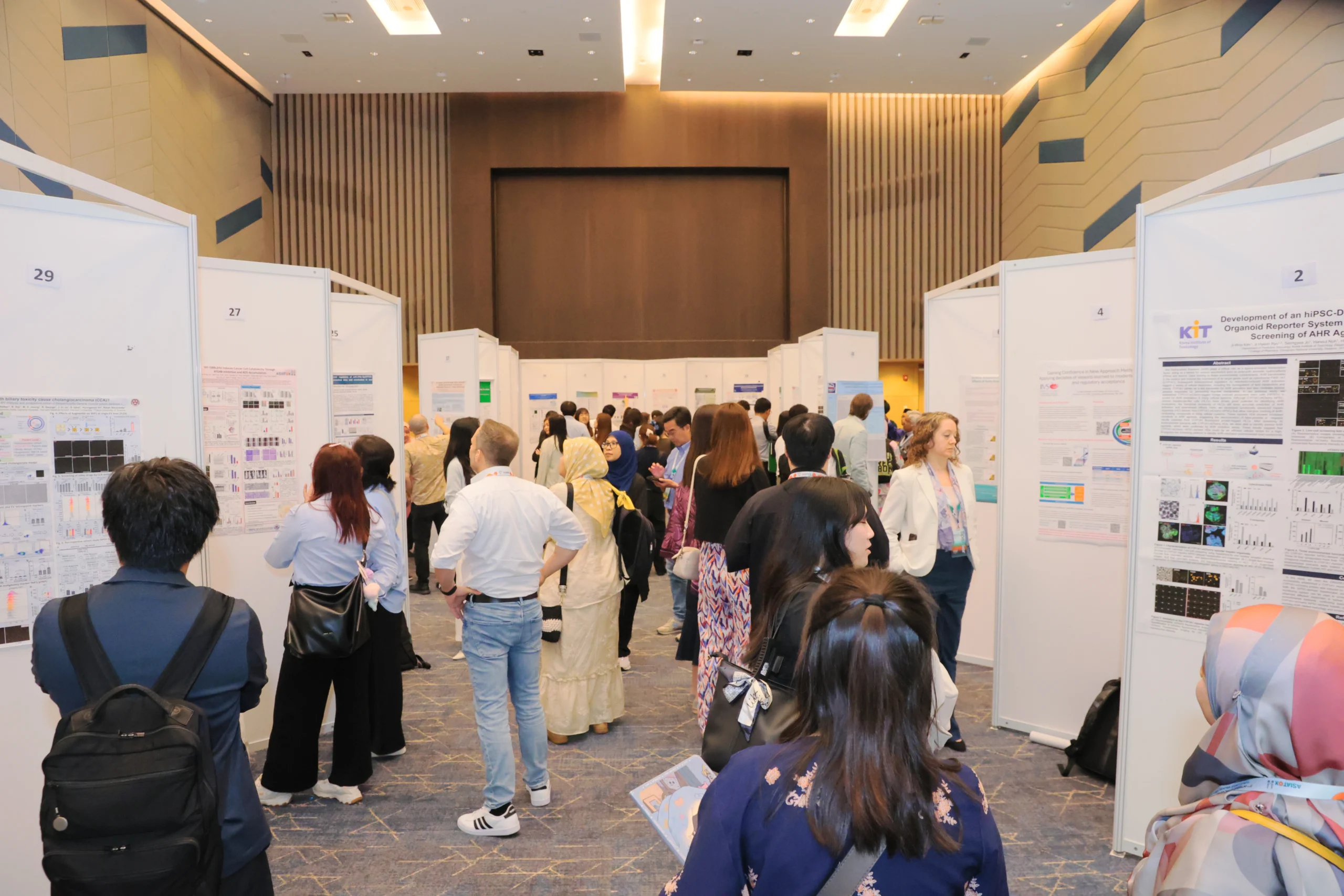
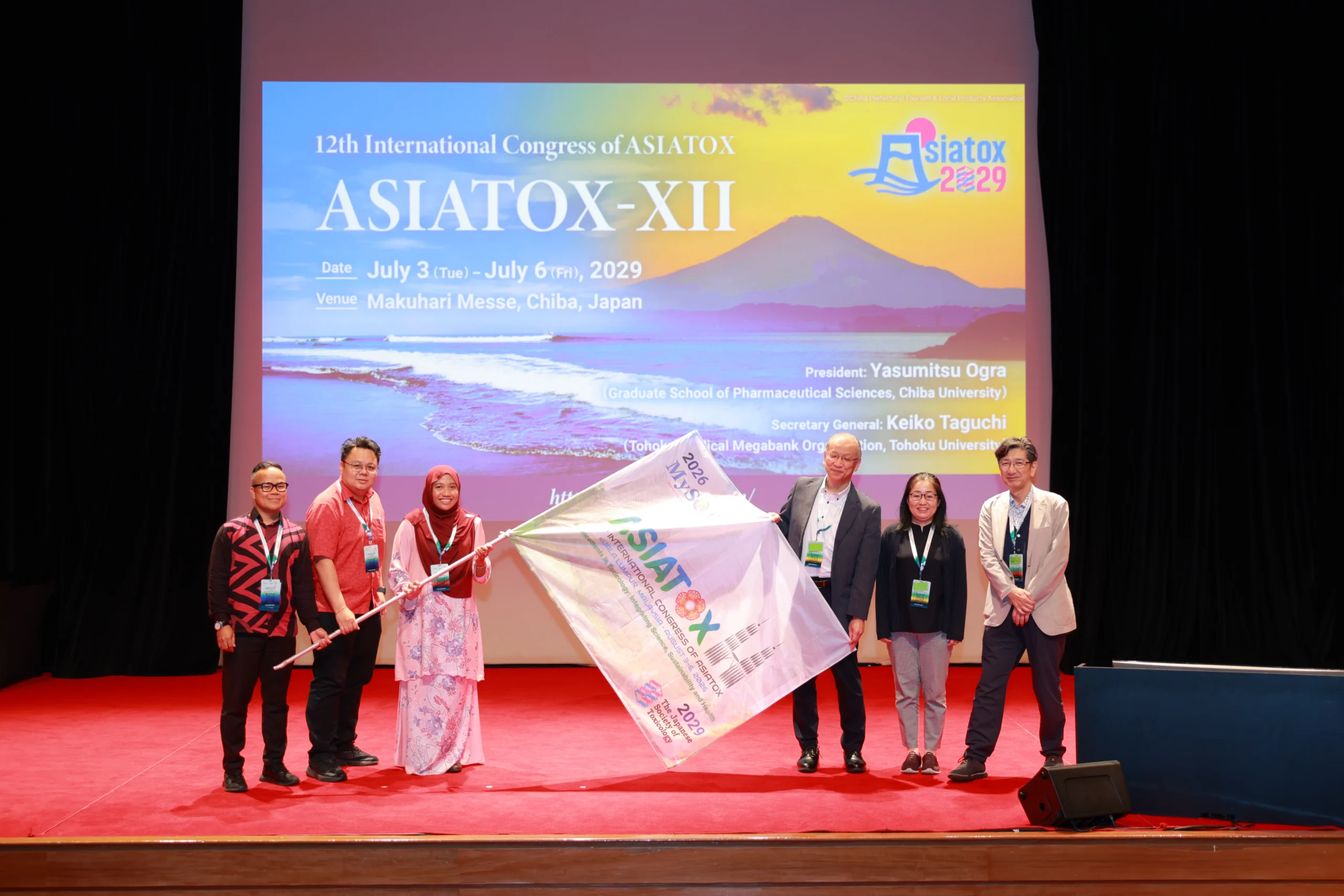
A glimpse into the energy, collaboration, and scientific excellence that shaped this year’s congress. These selected highlights capture the people, ideas, and discoveries that made ASIATOX‑XI truly unforgettable.
Programme overview
- Continuous Education Course (CEC)
CEC 1: BOTANICAL SAFETY ASSESSMENT: FROM FARM TO FORMULA – HOW TO ENSURE SAFETY, EFFICACY, AND COMPLIANCE? | Meeting Room 306 | |
08.00 – 10.15 | Context Setting Dr. Lenny Kamelia, L en R Consulting Visions PLT |
| Chemical Fingerprinting of Botanicals: Characterizing and Quantifying Active and Marker Constituents in Complex Natural Products Dr. Fauziah Abdullah, FRIM, Malaysia |
| Toxicity vs Efficacy: Finding the Critical Balance between Risk and Benefit for Botanicals Dr. Hussin Muhammad, NIH, Malaysia |
| Role of National Research and Standards Organization in Botanical Safety Assessment Dr. Syamimi Khalid, SIRIM, Malaysia |
10.15 – 10.45 | TEA BREAK | Meeting Room 305 |
10.45 – 13.00 | Natural Product Registration in Malaysia Mdm. Kong Su Yi, NPRA, Malaysia |
| Navigating Product Quality Monitoring: A Regulatory Perspective Mr. Mohd Nasrul Mohamad Noor, NPRA, Malaysia |
| Integrating Evidence into Botanical Safety Assessment through a Risk-Based Strategy Dr. Rozaini Abdullah, UPM, Malaysia |
| Closing Remarks Dr. Lenny Kamelia, L en R Consulting Visions PLT |
13.00 – 14.00 | LUNCH BREAK| Meeting Room 305 |
|
|
CEC 2: MODERN RISK ASSESSMENT IN THE ERA OF NEXT-GENERATION TOXICOLOGY: FROM HAZARD IDENTIFICATION TO REGULATORY DECISION-MAKING | Meeting Room 306 | |
14.00 – 15.30 | Opening Remarks Assoc. Prof. Ts. Dr. Razinah Sharif, UKM, Malaysia |
| Next-Generation Food Chemical Risk Assessment: Integrating Mechanistic Toxicology, Key Events and Adverse Outcome Pathways Prof. Dr. Alan Boobis, Imperial College London, UK |
15.30 – 15.45 | TEA BREAK| Meeting Room 305 |
15.45 – 18.00 | Applying Adverse Outcome Pathways in Food Chemical Risk Assessment: From Molecular Initiating Events to Public Health Protection Prof. Dr. Bette Meek, University of Ottawa, Canada |
| Case Study Workshop: Integrating Adverse Outcome Pathways and Mechanistic Evidence in Food Risk Assessment Assoc. Prof. Ts. Dr. Razinah Sharif, UKM, Malaysia |
| Closing Remarks Assoc. Prof. Ts. Dr. Razinah Sharif, UKM, Malaysia |
08.00 – 09.15 | REGISTRATION | |||
09.15 – 10.45 | OPENING CEREMONY | Plenary Theatre Opening address by: Yang Berhormat Datuk Seri Dr. Dzulkefly Ahmad, Minister of Health Malaysia
| |||
10.45 – 11.00 | TEA BREAK | Foyer | |||
| Sub-theme: Regulatory Toxicology | |||
| Plenary Theatre | Meeting Room 305 | Meeting Room 306 | |
| SESSION 1 | SESSION 2 | EARLY CAREER RESEARCHER SYMPOSIUM The Future of Toxicology: Perspectives from the Next Generation Chair: Dr. Keiko Taguchi, Tohoku University, Japan; Dr. Nur Azra Mohamad Pauzi, NIH, Malaysia | |
11.00 – 11.30 | Strengthening Taiwan’s Regulatory Infrastructure for Non-Animal Methods: The Role of TaiCVAM | Malaysian Initiatives in Chemical Governance and Chemical Safety |
Participation is limited to selected individuals.
| |
11.30 – 12.00 | Regulatory Acceptance of NAMs in Japan: Current Status and Future Perspectives | Evaluation of New Toxicological Information for Classification of Substances for Human Health Endpoints under REACH and CLP |
| |
12.00 – 12.30 | The New Era of Toxicology: Korea’s Strategic Lead in Alternative Methods | 21st Century Risk Assessment to Assure the Use Acceptability of Products Comprising a Mixture of Chemicals |
| |
12.30 – 13.00 | Expanding the Global Reach of In Vitro Toxicology: The Role of IIVS in Training and Outreach | Application of Read-Across for UVCBs: Methodological Considerations and a Petrochemical Case Study |
| |
13.00 – 14.00 | LUNCH BREAK | Conference Hall 2 | |||
14.00 – 14.50 | KEYNOTE 1 | Plenary Theatre From Risk to Responsibility: The Role of Toxicology in ESG Performance and Sustainable Development Dr. Salmaan Inayat-Hussain, Ipieca, United Kingdom | |||
14.50 – 15.30 | PLENARY LECTURE 1 | Plenary Theatre Global Regulatory Development in Advancing Toxicology to Meet Sustainability Challenges Ms. Maartje Kleintjes, Haskoning, Thailand Chair: Dr. Chan Kok Meng, PETRONAS, Malaysia | |||
|
| SHORT ORAL PRESENTATIONS Chair: Dr. Mary Khoo Gaik Hong, FRIM, Malaysia | SHORT ORAL PRESENTATIONS Chair: Dr. Maisarah Nasution Waras, USM, Malaysia | |
15.30 – 16.00 |
| · Ecotoxicological Risk Assessment of Endocrine Disrupting Compounds in Freshwater Ecosystems Using Tropical Cladocerans Dr. Muhammad Raznisyafiq Razak, UPM, Malaysia · A Data-Driven Approach for Chemical Prioritisation Using Information from Safety Data Sheet (SDS) Dr. Chan Kok Meng, PETRONAS, Malaysia · Heavy Metal Exposure and Toxicity in Electronic Cigarette Emissions Ms. Eunice Ting Shi Ying, USM, Malaysia | · Integrated Toxicological, Behavioural and Pharmacometabolomics Profiling of a Sulfonamide–Chalcone Antiepileptic Hit Molecule in Zebrafish Assoc. Prof. Dr. Siti Munirah Mohd Faudzi, UPM, Malaysia · Identifying New Molecular Markers for Sex Reversal Prediction in Japanese Medaka Mr. Ching-Hsin Yang, National Taiwan University, Taiwan ROC · Preliminary Toxicity Evaluation of Baicalein-Loaded Carbon Nanodots Using the Brine Shrimp Lethality Assay Ms. Nasihah Mohd Zahid, USM, Malaysia | |
16.00-16.15 | TEA BREAK | Foyer | |||
16.15-16.45 |
| · Chemical Profiling and In Vitro Toxicity Assessment of E-Cigarette Liquids and Aerosols Dr. Leong Yin Hui, USM, Malaysia · Development and Characterization of an Environmentally Relevant Micro- and Nanoplastics Library for Cytotoxicity Evaluation Dr. Yuya Haga, The University of Osaka, Japan · Bridging Toxicological Science and Public Understanding: Enhancing Chemical Risk Literacy through E-Learning Prof. Dr. Danijela Đukić-Ćosić, University of Belgrade, Serbia | · In Vitro Genotoxicity Evaluation of Poly(3-hydroxybutyrate-co-3-hydroxyhexanoate) Extract Using Standard Assays Mr. Abdul Hadi Ariffin, NIBM, Malaysia · Critical Windows of Susceptibility in VOC-Related Neurodevelopmental Risk: Evidence from a Systematic Synthesis Dr. Nurul Farehah Shahrir, NIH, Malaysia · Susceptible Effect of Detoxifying Genes of GSTT1, GSTM1, and NQO1 towards S-PMA Excretion and Micronuclei Occurrence among Outdoor Workers Exposed to Ambient Benzene Dr. Noor Fatihah Mohamad Fandi, IIUM, Malaysia | |
|
|
|
| |
15.30 – 16.30 | Conference Hall 3 | POSTER PRESENTATIONS Session 1 | ||
09.00 – 10.00 | KEYNOTE 2 | Plenary Theatre Modern Toxicology and Poison Science – an Inseparable Pair for Sustaining Modern Civilization: Insights from Signal Toxicity and Nanotoxicity Prof. Dr. Jun Kanno, NIHS, and Nissan Tamagawa Hospital, Japan | |||
| Sub-theme: Challenges & Advances in NAMs for Toxicological Research & Risk Assessment | |||
| Plenary Theatre | Meeting Room 305 | Meeting Room 306 | |
10.00 – 10.45 | PLENARY LECTURE 2 Artificial Intelligence in Cancer Vaccine Development for Immunotherapy and Toxicology Applications Prof. Dr. Kyung Chul Choi, Chungbuk National University, Republic of Korea Chair: Prof. Dr. Keon Wook Kang, Seoul National University, Republic of Korea |
| PLENARY LECTURE 3 The Westward Movement of Botanicals: Integrating Eastern Traditions into Modern Western Regulation Prof. Dr. A.Wallace Hayes, Michigan State University, USA Chair: Dr. Hussin Muhammad, NIH, Malaysia | |
10.45 – 11.00 | TEA BREAK | Foyer | |||
| SESSION 3 | SESSION 4 | SESSION 5 | |
11.00 – 11.30 | Organoids in Toxicological Research: Progresses and Challenges | Industrial Implementation of NAMs and NGRA in Cosmetic Risk Assessment | Complex Botanical Mixture Hazard Assessment: An Overview of Current Methodologies and Challenges in Assessing Hazards of Botanical Mixtures | |
11.30 – 12.00 | Kidney Micro Physiological Systems for Nephrotoxicity Assessment | Next Generation Risk Assessment for Botanical Cosmetic Ingredients: Case Studies Using Threshold of Toxicological Concern, Point of Departure, and History of Safe Consumption | In Vitro Bioassays to Evaluate the Effects of Botanicals on DNA Damage | |
12.00 – 12.30 | Current Trends and Progress in Japan’s Initiative for Industrial Implementation of MPS | Building Capabilities and Ensuring Regulatory Acceptance of NAMs and NGRA for All Stakeholders Including Cosmetics | Toward Precision Toxicology: Integrating Toxicogenomics and Artificial Intelligence in the Risk Assessment of Complex Botanical Medicines | |
| SHORT ORAL PRESENTATIONS Chair: Dr. Maisarah Nasution Waras, USM, Malaysia | SHORT ORAL PRESENTATIONS Chair: Dr. Nur Azra Mohamad Pauzi, NIH, Malaysia | Hormesis in Complex Botanical Mixtures: Examination of Hormesis and Its Implications for Interpreting Botanical Mixture Effects Prof. Dr. Evgenios Agathokleous, Nanjing University of Information Science & Technology, China | |
12.30 – 13.00 | · Chronic Nanoplastic Exposure Triggers Liver Inflammasome Activation and Adipose Remodeling Associated with Metabolic Dysfunction Mr. Narayan Sah Sonar, Mokpo National University, Republic of Korea · Pluronic Functionalization Mitigates Graphene Oxide-Induced Oxidative Stress and Developmental Toxicity Ms. Eng Shu Man, UPM, Malaysia · Surface-Induced Fibrillization of Amyloid-β Adsorbed onto Nanoparticles Alters Microglial Responses Assoc. Prof. Dr. Atsuto Onoda, Sanyo-Onoda City University, Japan | · Hepatotoxicity and Cytochrome P450 (CYP) Inhibitory Potential of a Selected Commercial Herbal Supplement Juice in HepG2 Cells Ms. Yih Wei Lim, UPM, Malaysia · Acute Toxicity and Metabolomic Assessment of Polyherbal Formulation from Polygonum minus, Cosmos caudatus and Morinda citrifolia: Implications for Senotherapeutic Development Mr. Nor Muhammad Hilmi Hussin, UKM, Malaysia · Advancing Cancer Toxicology: Effects of Zerumbone on Breast Cancer Cell Invasiveness under DMOG-Induced Hypoxia Assoc. Prof. Dr. Nur Fariesha Md Hashim, UPM, Malaysia | ||
13.00 – 14.00 | LUNCH BREAK | Conference Hall 2 | LUNCH TALK by SIRIM Berhad | LUNCH BREAK | Conference Hall 2 | |
| SESSION 6 | SESSION 7 | WORKSHOP 1 | |
14.00 – 14.30 | Neurotoxicity of Nanoparticles and Nanoplastics | Advancing the Risk Assessment of Botanicals with Genotoxic and Carcinogenic Hazards | Status on Regulatory Acceptance of Alternative Methods for Skin Sensitization Testing | |
14.30 – 15.00 | Placental Behavior of Nanoparticles and Their Effects on Placental Function | Learning and Challenges in Reproductive Toxicity Testing with Case Study on Complex Materials | The Inter-Laboratory Validation Study of EpiSensA and Epi2SensA for Predicting Skin Sensitization Potential | |
15.00 – 15.30 | Neurotoxicity of Micro/Nanoplastics (MNPs) and Roles of Glia Cells | Evolving Consumer Product Risk Assessment with New Approach Methodologies | Introduction of the Validation Study of Spectro-DPRA: A Newly Modified In Chemico Skin Sensitization Test Method | |
15.30 – 16.00 | Emerging In Vitro Approaches for Nanoparticle Toxicity Assessment: Towards Alternatives to Animal Testing | NAMs to Address Industrial Challenges | OECD-Validated NAMs of Skin Sensitization Applied for Nanomaterials Safety Assessment | |
16.00 – 16.15 | TEA BREAK | Foyer | |||
| SHORT ORAL PRESENTATIONS Chair: Dr. Maisarah Nasution Waras, USM, Malaysia | SHORT ORAL PRESENTATIONS Chair: Dr. Nur Azra Mohamad Pauzi, NIH, Malaysia | SHORT ORAL PRESENTATIONS Chair: Assoc. Prof. Dr. Nurul Farahana Kamaludin, UKM, Malaysia | |
16.15 – 16.45 | · Harnessing ER Stress to Disrupt Mitochondrial Function and Immune Escape in Drug-Resistant Colorectal Cancer Using Selenium-Containing Gold Nanoparticles Mr. Wei-Lun Hsu, National Central University, Taiwan ROC · Linking Mercury-Induced Microridge Defects to Retinal and Motor Metabolite Deficiencies Dr. Noraini Abu Bakar, UPM, Malaysia | · Atmospheric Electrophile 1,2-Naphthoquinone Enhances Migratory Activity of A549 Cells Dr. Sho Kubota, Okayama University, Japan · NKp46/PD-1 Axis Dynamics in Malignant Mesothelioma: A Novel Immunotoxicological Mechanism Linking Asbestos Exposure to Tumor Immune Escape Dr. Yasumitsu Nishimura, Kawasaki Medical School, Japan · Chronic Dietary Exposure to Advanced Glycation End Products Promotes Skin Aging: Evidence from a Cross-Sectional Study and a Rat Model Ms. Ruijie Cheng, Huazhong University of Science and Technology, China | · SKF7® Attenuates Endocrine Dysfunction and Oxidative Stress in Experimental Menopause: A Potential Safer Botanical Alternative to Hormone Therapy Dr. Hussin Muhammad, NIH, Malaysia · Caspase-3-Mediated Apoptosis Induced by Paddy Husk in HTB-41 Carcinoma Cells Dr. Mogana Das Murtey, USM, Malaysia · Blood Sugar Regulating Activity and Safety Profile of Hydrolysate of Luffa cylindrica Seed Protein in Rats with Alloxan-Induced Diabetes Prof. Dr. Rotimi Olusanya Arise, University of Ilorin, Nigeria | |
|
|
|
| |
15.30 – 16.30 | Conference Hall 3 | POSTER PRESENTATIONS Session 2 | ||
16.30 – 18.30 | Melati Room, Level 1 Impiana KLCC Hotel | ASIATOX COUNCIL MEETING | ||
19.30 – 23.00 | Impiana Banquet Hall, Level 2 Impiana KLCC Hotel | GALA DINNER | ||
09.00 – 10.00 | KEYNOTE 3 | Plenary Theatre Mapping the In Vitro Landscape of Immunotoxicology Testing Prof. Dr. Emanuela Corsini, University of Milan La Statale, Italy | ||
| Sub-theme: Advances in Mechanistic Toxicology & Food Toxicology | Sub-theme: Environmental Toxicology | |
| Plenary Theatre | Meeting Room 305 | Meeting Room 306 |
10.00 – 10.45 | PLENARY LECTURE 4 | PLENARY LECTURE 5 | PLENARY LECTURE 6 Dr. Hiroshi Yamamoto, NIES, Japan |
10.45 – 11.00 | TEA BREAK | Foyer | ||
| SESSION 8 | SESSION 9 | SESSION 10 |
11.00 – 11.30 | Dietary Toxicants, Oxidative Stress and Genomic Instability: Evidence and Early Ageing Insights from a Malaysian Human Study | 11.00 | Marine Poisoning in Malaysia – The Challenges, Existing Gaps and Way Forward | Chronic Occupational Heavy Metal Exposure in Asian Industries: Exposure Pathways, Regulatory Gaps, and Health Implications among High-Risk Worker Groups |
11.30 – 12.00 | Approach for Systematically Assessing Study Reliability and Relevance in Evaluations of Monosodium Glutamate Safety | 11.25 | Food Contaminants and Toxicovigilance | Environmentally & Socioeconomically Burdened Communities in Asia |
12.00 – 12.30 | Resveratrol Protection Against Estradiol-Induced Senescence in Immune Models | 11.50 | Food Poisoning Caused by Accidental Consumption of Toxic Plants Similar to Edible Plants in Japan | Biological Susceptibility to Heavy Metal Toxicity. Are populations in Asia at greater risk? |
12.30 – 13.00 | Applying Adverse Outcome Pathways in Food-Related Chemical Risk Assessment | 12.15 | Food Poisoning Caused by Eating Coconut Crab Feeding on Toxic Plant in Japan | Environmental and Human Exposure to Heavy Metal and PFAS in Malaysia: Emerging Risks and Regulatory Perspectives |
|
| 12.40 | Bongkrekic Acid Food Poisoning |
|
13.00 – 14.00 | LUNCH BREAK | Conference Hall 2 | ||
| WORKSHOP 2 | WORKSHOP 3 | WORKSHOP 4 |
14.00 – 14.30 | Effect of Electrophiles in Vegetables on the Toxicity of the Environmental Chemicals | In Vitro Study of Nanoplastics Exposure as a Potentiator of Metabolic Dysfunction-Associated Steatotic Liver Disease | From Ovary to Placenta: Molecular Mechanisms of Environmental Reproductive Toxicants |
14.30 – 15.00 | Production of Antibodies Against 3,4-Dihydrocoumarin and Analysis of Protein Chemical Modifications Induced by This Compound | Investigating the Biological Impact of Nanoplastics Exposure on the Liver using a Rodent Model | Microplastics and Reproductive Health: Implications for Early Neurodevelopment and Mental Health |
15.00 – 15.30 | Histological and Molecular Effect of Alcohol-Induced Immunotoxicity | The Use of AI for Toxicological Assessment | Paternal Exposures, Sperm Quality and Transgenerational Reproductive Toxicity |
15.30 – 16.45 | PRESIDENTIAL ROUNDTABLE & AWARD CEREMONY | Plenary Theatre | ||
16.45 – 17.00 | TEA BREAK | Foyer | ||
About ASIATOX 2026
Welcome to the 11th International Congress of the Asian Society of Toxicology (ASIATOX-XI), to be held for the first time in Malaysia from 3–6 August 2026 at the Kuala Lumpur Convention Centre. Featuring the theme “Advancements in Toxicology: Integrating Science, Sustainability, and Health,” ASIATOX-XI will bring together leading scientists, professionals, and industry experts to share the latest insights, research, and innovations in toxicology. Join us in vibrant Kuala Lumpur as we foster collaboration, exchange knowledge, and advance the field of toxicology towards a safer and more sustainable future.
Important Dates
ASIATOX-XI Congress
* Dates are subject to change. Please check back regularly for updates.
ASIATOX-XI Registration Fees
| Categories | Early Bird Fees (paid by 30th April 2026) |
Regular Fees |
|---|---|---|
| Local students (MySOT member) | MYR 750 | MYR 950 |
| Local students (non-MySOT member) | MYR 800 | MYR 1,000 |
| Local delegates (MySOT member) | MYR 1,000 | MYR 1,200 |
| Local delegates (non-MySOT member) | MYR 1,200 | MYR 1,400 |
| International students | USD 300 | USD 350 |
| International delegates | USD 600 | USD 650 |
Enjoy 10% discount with group registration of 5 persons or more. (Payment for group registration must be made as a single unit.) Unlock greater savings by completing the payment by 30 April 2026 to be eligible for early bird registration fees.
For assistance, please contact secretariat@asiatox2026.com
CEC PROGRAMME & GALA DINNER Fees
| Categories | Local delegates |
International delegates |
|---|---|---|
| CEC 1 | MYR 400 | USD 125 | CEC 2 | MYR 400 | USD 125 |
| GALA DINNER | MYR 300 | USD 100 |
Congress Venue
Gala Dinner Venue
Organiser


Co-Organiser

Our Sponsors
GOLD

PLATINUM

GOLD

SILVER

SILVER

SILVER

SILVER

IN-KIND

IN-KIND

IN-KIND

IN-KIND

IN-KIND

IN-KIND

IN-KIND

Supported by



Our Preferred Airport Transfer

![VIP Service Purple SQv2 [Converted]](https://asiatox2026.com/wp-content/uploads/elementor/thumbs/VIP-Service-Purple-SQv2-Converted-rqu84ttd7yab8jkjux17yb5bg94pubh6roavba7cao.png "VIP Service Purple SQv2 [Converted]")